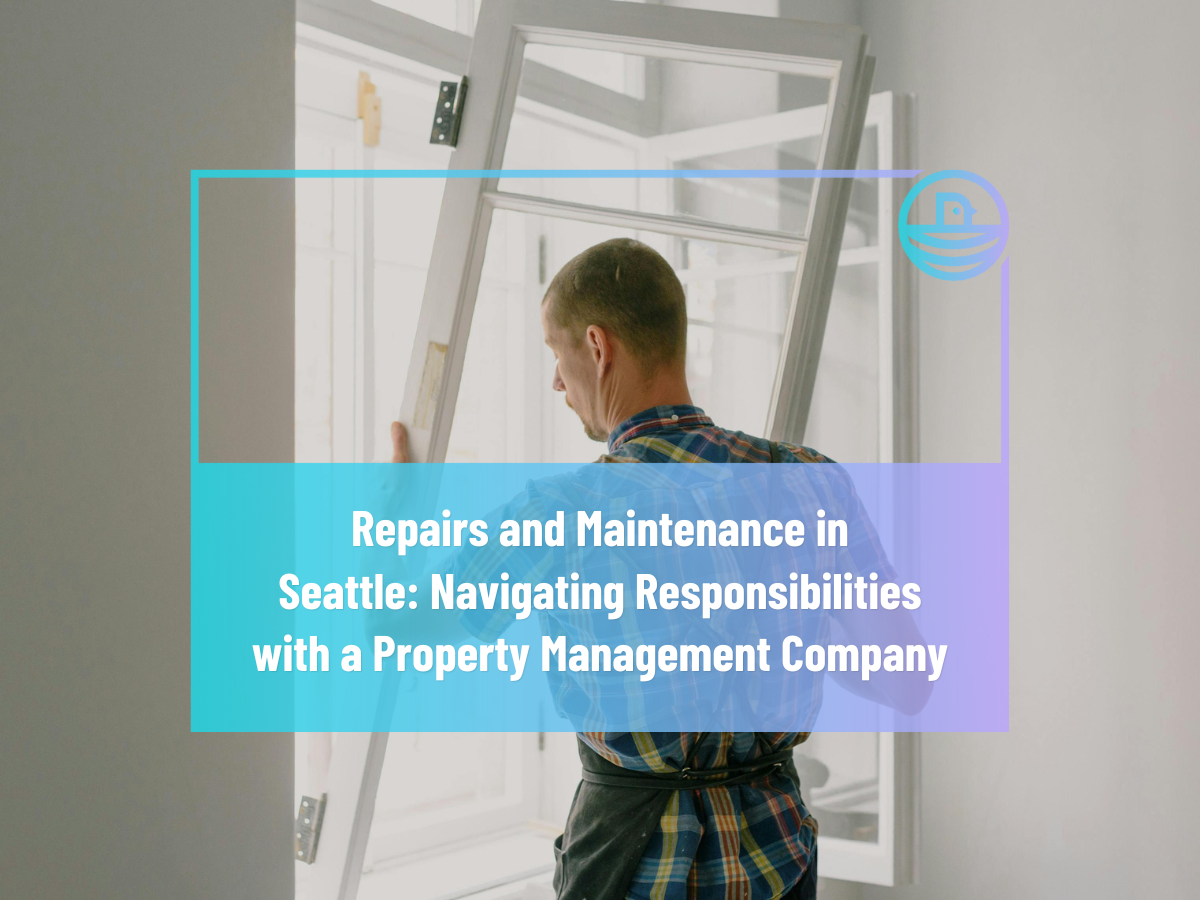
Repairs and Maintenance in Seattle: Navigating Responsibilities with a Property Management Company
Owning rental property in Seattle comes with challenges, especially regarding repairs and maintenance. The Pacific Northwest's wet climate, coupled with the city's strict housing regulations, means property upkeep is not just a matter of aesthetics but also of legal compliance and tenant safety. For many property owners, partnering with a property management company can simplify this complex landscape.
This article explores how responsibilities for rental maintenance and repairs are divided between property owners and management companies. Understanding these roles is essential to maintaining property value, ensuring tenant satisfaction, and avoiding costly disputes.
The Role of Property Management
Property management companies act as intermediaries between landlords and tenants, handling day-to-day operations that include rent collection, tenant screening, and, crucially, repairs and maintenance. Their expertise and local knowledge can be invaluable in navigating Seattle’s specific housing codes and environmental factors.
By outsourcing maintenance tasks, owners can save time and reduce stress. However, it’s important to recognize that property managers are not just repair coordinators; they are also responsible for ensuring that maintenance work complies with local laws and industry standards.
Defining Responsibilities: Property Management Agreement
The foundation of a successful working relationship between a property owner and a management company lies in the property management agreement. This legally binding document clearly outlines who is responsible for various maintenance and repair tasks, setting expectations upfront.
Typically, the agreement specifies the scope of the management company’s authority, such as approving repairs up to a certain dollar amount without owner consent. It also details the process for handling emergency repairs and routine maintenance. Clear definitions help prevent misunderstandings and ensure timely responses to maintenance issues.
Defining Responsibilities: Property Inspection
Regular property inspections are a critical tool in managing repairs and maintenance effectively. Property management companies often conduct move-in, move-out, and periodic inspections to assess the condition of the property.
These inspections help identify maintenance needs before they escalate into costly problems. They also serve as documentation to distinguish between normal wear and tear and tenant-caused damage, which is essential for security deposit disputes and repair billing.
Routine Maintenance Tasks
Routine maintenance includes tasks that keep the property in good working order and prevent larger issues. In Seattle, this might involve checking gutters for debris during the rainy season, servicing HVAC systems before winter, and inspecting roofs for moss or water damage.
Property management companies typically coordinate these tasks, scheduling vendors and ensuring that maintenance is performed on time. Routine upkeep not only preserves property value but also enhances tenant comfort and reduces emergency repair incidents.

Scheduled Maintenance
Scheduled maintenance refers to planned, periodic work such as landscaping, pest control, and repainting. In Seattle’s climate, attention to exterior maintenance is especially important to combat moisture-related problems like mold and wood rot.
Property managers often maintain a calendar of scheduled maintenance tasks, ensuring they are completed seasonally or annually. This approach avoids unexpected expenses and keeps the property compliant with health and safety regulations.
Emergency Repairs: Defining Emergencies
Emergencies are repairs that require immediate attention to prevent harm to tenants or significant property damage. Examples include burst pipes, electrical hazards, gas leaks, and heating failures during Seattle’s cold months.
A clear definition of what constitutes an emergency is essential in the property management agreement. This clarity helps property managers prioritize responses and allocate resources efficiently, ensuring tenant safety and minimizing property loss.
Emergency Repairs: 24/7 Availability
One of the key advantages of working with a property management company is its ability to provide 24/7 emergency repair services. This round-the-clock availability is crucial in a city like Seattle, where weather conditions can exacerbate maintenance issues quickly.
Property managers typically have a network of reliable vendors on call to address urgent repairs promptly. This rapid response capability not only protects the property but also builds tenant trust and satisfaction.
Budgeting for Maintenance
Effective budgeting is vital to managing repairs and maintenance without financial surprises. Property owners should work closely with their management company to establish a realistic maintenance budget that accounts for routine upkeep, scheduled projects, and emergency contingencies.
Seattle’s aging housing stock and environmental factors often mean higher maintenance costs compared to other regions. A well-planned budget helps ensure funds are available when needed and supports long-term property sustainability.
Owner Authorization
While property managers handle day-to-day maintenance, certain repairs—especially those exceeding a pre-agreed cost threshold—require owner authorization. This process protects owners from unexpected expenses and allows them to make informed decisions about major repairs or upgrades.
Many property management companies use digital platforms to streamline approval processes, providing owners with timely updates and cost estimates.
Effective Communication
Communication between property owners, managers, tenants, and vendors is the backbone of successful maintenance management. Transparent and timely communication ensures that everyone understands their roles and expectations.
Property management companies often provide online portals where maintenance requests can be tracked and updates shared. This transparency helps prevent misunderstandings and fosters a collaborative approach to property care.
H2: Maintenance Requests
Tenants typically initiate maintenance requests when issues arise. Property managers act as the first point of contact, assessing the urgency and coordinating repairs with appropriate vendors.
Efficient handling of maintenance requests enhances tenant satisfaction and retention. In Seattle’s competitive rental market, responsive maintenance can be a significant differentiator for landlords.
Selecting Reliable Vendors
Choosing trustworthy and skilled vendors is crucial to quality repairs and maintenance. Property management companies often maintain a vetted list of contractors, electricians, plumbers, and other specialists familiar with Seattle’s building codes and climate challenges.
Reliable vendors ensure work is completed correctly and on schedule, reducing the risk of recurring problems and costly callbacks.
Obtaining Competitive Bids
For larger projects, obtaining competitive bids from multiple vendors is a best practice. This approach helps ensure fair pricing and high-quality workmanship.
Property managers typically handle the bidding, presenting owners with detailed proposals to facilitate informed decision-making. Competitive bidding also fosters accountability among vendors and can lead to cost savings.
Documentation and Reporting
Accurate documentation and reporting of all maintenance activities are essential for legal compliance, financial tracking, and property history. Property management companies maintain detailed records of inspections, repairs, vendor invoices, and tenant communications.
This documentation can be invaluable during disputes, insurance claims, or when preparing the property for sale. It also supports transparency and accountability in maintenance management.
Regular Maintenance vs. Resident-Induced Damage
Distinguishing between regular maintenance needs and damage caused by tenants is critical. Regular maintenance covers wear and tear from normal use, while tenant-induced damage may require repair costs to be charged to the resident.
Property inspections and thorough documentation help property managers make these distinctions fairly. Clear lease agreements outlining tenant responsibilities also support this process, helping to protect the owner’s investment.
Conclusion
Managing repairs and maintenance in Seattle’s rental properties involves a careful balance of responsibilities between property owners and management companies. Clear agreements, proactive inspections, reliable vendor relationships, and effective communication are key to navigating this complex landscape.
By understanding and defining these roles, property owners can protect their investments, comply with local regulations, and provide safe, comfortable homes for their tenants. Partnering with a knowledgeable property management company can transform maintenance challenges into streamlined, manageable processes.
Invest in your properties, but don't get overcharged. If that's too stressful, hire Evernest to handle maintenance and repairs for you! Reach out to our Seattle property management team today.